A decade of decline
Under three presidents since 2010, the naira has collapsed, prices have soared, debt has piled up and killings have spread across the country. In October 2020, young Nigerians marched against police brutality under the #EndSARS banner and made five demands. On 20 October, soldiers opened fire on protesters at the Lekki toll gate in Lagos. The protests became an awakening for a generation. This page sets out the record of Nigeria's governments since 2010, and every number here comes from a named source you can verify.
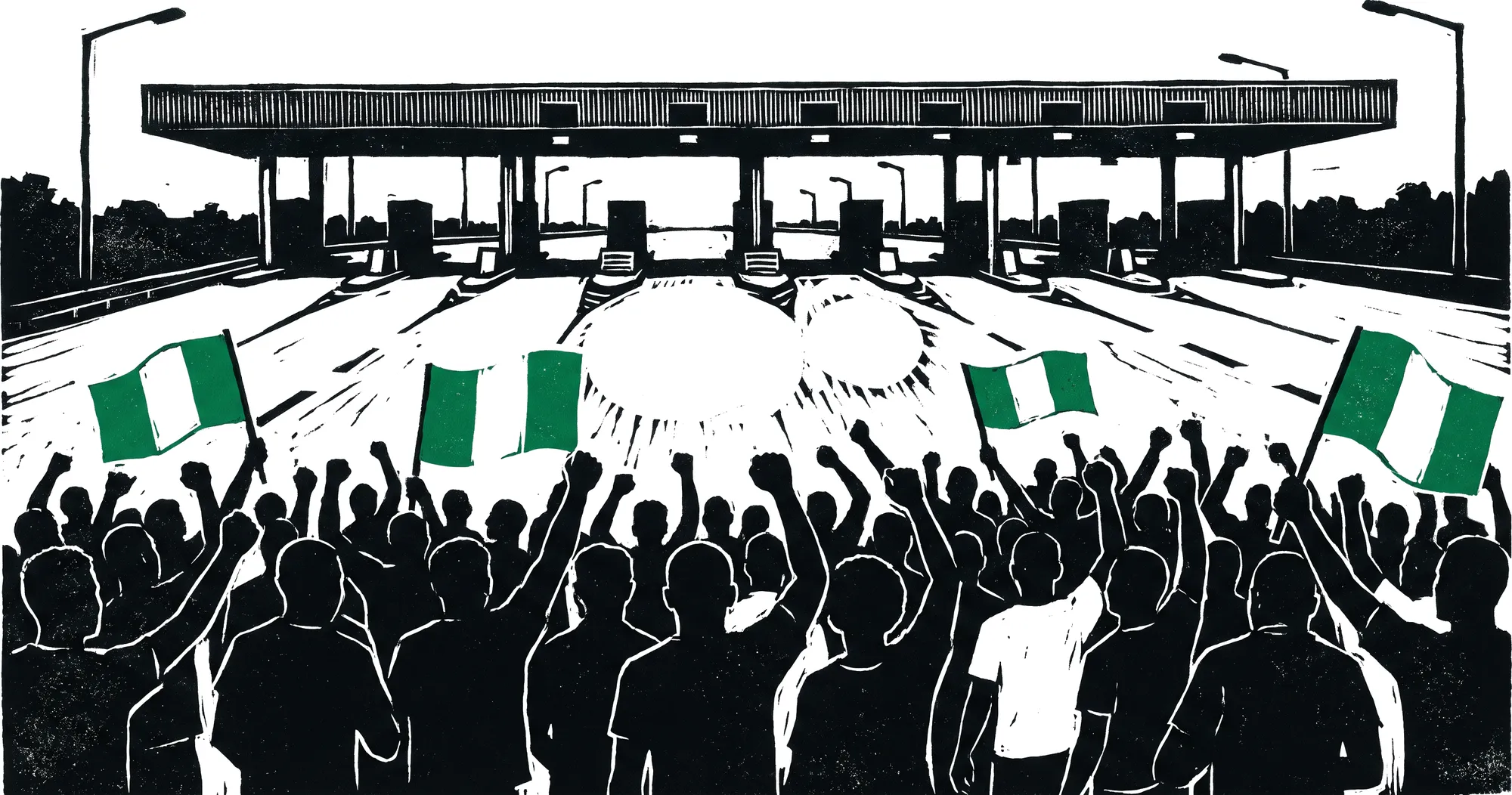
What happened to the five demands?
SARS, a police unit set up to fight armed robbery, had been accused for years of extortion, torture and killings. In October 2020 young Nigerians took to the streets with five demands, and the presidency said it accepted all of them. The record since then is thin.
The demands, 11 October 2020
- 1Release every arrested protester
- 2Justice and compensation for the families of people killed by police
- 3An independent body, within ten days, to investigate and prosecute police misconduct
- 4Psychological evaluation and retraining of SARS officers before redeployment
- 5Better pay for police officers
What the record shows
- SARS dissolved
- Announced 11 October 2020. Two days later police announced a replacement unit, SWAT. ↗
- 9 dead, 4 missing at Lekki
- The Lagos judicial panel listed 48 casualties and said the shooting could be described as a massacre. The Lagos State white paper rejected that finding. ↗
- No one charged
- Five years on, no soldier or police officer has been charged over the Lekki shooting (Al Jazeera, October 2025). ↗
- ₦410m to 70 victims
- Compensation paid by Lagos State to victims of police abuse and their families, about $279,000. ↗
- ECOWAS court ruling
- In July 2024 the regional court found that Nigeria violated protesters' rights under the African Charter. ↗
In August 2024, police killed at least 24 people during the #EndBadGovernance protests over the cost of living and detained more than 1,200.
In November 2024 more than 30 children were charged with treason over the protests. Some collapsed in court. The charges were dropped days later after a public outcry. ↗
Speaking up has become riskier
Twitter was blocked nationwide for 222 days in 2021 after it deleted a post by President Buhari. A regional court later ruled the ban unlawful. CIVICUS has rated Nigeria's civic space "repressed" since December 2019, and at least 25 journalists were prosecuted under the 2015 Cybercrimes Act before it was amended in 2024. ↗
Press freedom rank
Rank out of 180 countries. The axis is flipped so that higher on the chart means freer. The low point was 129th in 2022.
Freedom House score
Political rights and civil liberties, out of 100. Rated Partly Free every year.
Who has held power
Three presidents since 2010. The PDP governed until May 2015 and the APC has governed since. The shaded bands on every chart below mark these terms.
Goodluck Ebele Jonathan
VP: Namadi Sambo
2010 to 2015
- Took office after President Yar'Adua died (May 2010)
- Independence Day bombing in Abuja (October 2010)
- About 800 killed in violence after the April 2011 election
- Petrol price raised from ₦65 to ₦141, then cut to ₦97 after the Occupy Nigeria protests (January 2012)
- State of emergency declared in three north-eastern states (2013)
- 276 schoolgirls abducted from Chibok (April 2014)
- Ebola outbreak contained (2014)
- Power sector privatised; PHCN split into 15 companies
- Lost the 2015 election and handed over, the first transfer of power to an opposition party
Muhammadu Buhari
VP: Yemi Osinbajo
2015 to 2023
- Declared Boko Haram "technically defeated" (December 2015)
- Recession in 2016
- Naira moved to a flexible rate (June 2016)
- Months of medical leave in London; Vice President Osinbajo acted as president (2017)
- Farmer-herder clashes kill thousands in the Middle Belt (2017 to 2018)
- Finance Minister Kemi Adeosun resigned over a forged NYSC certificate (September 2018)
- Banditry spreads across Zamfara, Katsina and Kaduna
- Second recession as COVID-19 hits (2020)
- #EndSARS protests; soldiers open fire at the Lekki toll gate (October 2020)
- Twitter blocked for 222 days (June 2021 to January 2022)
- Mass school abductions in Kaduna, Niger and Zamfara (2021)
- Debt service costs more than the government earns, January to April 2022
- Kaduna-Abuja train attacked (March 2022); Kuje prison break (July 2022)
- Naira redesign leaves banks without cash (2022 to 2023)
Bola Ahmed Tinubu
VP: Kashim Shettima
2023 to now
- "Subsidy is gone": petrol subsidy ended on inauguration day (May 2023)
- Exchange rate unified; the official rate goes from ₦463 to ₦632 per dollar in a week (June 2023)
- Supreme Court upholds the election result (October 2023)
- Naira's weakest official rate: ₦1,688 per dollar (November 2024)
- At least 24 killed as police break up #EndBadGovernance protests (August 2024)
- NBS survey finds 2.2 million kidnappings in 12 months (December 2024)
- Deadliest year in ACLED records: 15,878 killed in political violence (2025)
- 230 pupils and staff abducted from St Mary's, Papiri; all later freed (November 2025)
- US strikes in Sokoto State, in coordination with Nigerian authorities (December 2025)
- ₦68.32tn budget signed for 2026, the largest ever in naira (April 2026)
Goodluck Ebele Jonathan
VP: Namadi Sambo
2010 to 2015
- Took office after President Yar'Adua died (May 2010)
- Independence Day bombing in Abuja (October 2010)
- About 800 killed in violence after the April 2011 election
- Petrol price raised from ₦65 to ₦141, then cut to ₦97 after the Occupy Nigeria protests (January 2012)
- State of emergency declared in three north-eastern states (2013)
- 276 schoolgirls abducted from Chibok (April 2014)
- Ebola outbreak contained (2014)
- Power sector privatised; PHCN split into 15 companies
- Lost the 2015 election and handed over, the first transfer of power to an opposition party
Muhammadu Buhari
VP: Yemi Osinbajo
2015 to 2023
- Declared Boko Haram "technically defeated" (December 2015)
- Recession in 2016
- Naira moved to a flexible rate (June 2016)
- Months of medical leave in London; Vice President Osinbajo acted as president (2017)
- Farmer-herder clashes kill thousands in the Middle Belt (2017 to 2018)
- Finance Minister Kemi Adeosun resigned over a forged NYSC certificate (September 2018)
- Banditry spreads across Zamfara, Katsina and Kaduna
- Second recession as COVID-19 hits (2020)
- #EndSARS protests; soldiers open fire at the Lekki toll gate (October 2020)
- Twitter blocked for 222 days (June 2021 to January 2022)
- Mass school abductions in Kaduna, Niger and Zamfara (2021)
- Debt service costs more than the government earns, January to April 2022
- Kaduna-Abuja train attacked (March 2022); Kuje prison break (July 2022)
- Naira redesign leaves banks without cash (2022 to 2023)
Bola Ahmed Tinubu
VP: Kashim Shettima
2023 to now
- "Subsidy is gone": petrol subsidy ended on inauguration day (May 2023)
- Exchange rate unified; the official rate goes from ₦463 to ₦632 per dollar in a week (June 2023)
- Supreme Court upholds the election result (October 2023)
- Naira's weakest official rate: ₦1,688 per dollar (November 2024)
- At least 24 killed as police break up #EndBadGovernance protests (August 2024)
- NBS survey finds 2.2 million kidnappings in 12 months (December 2024)
- Deadliest year in ACLED records: 15,878 killed in political violence (2025)
- 230 pupils and staff abducted from St Mary's, Papiri; all later freed (November 2025)
- US strikes in Sokoto State, in coordination with Nigerian authorities (December 2025)
- ₦68.32tn budget signed for 2026, the largest ever in naira (April 2026)
The naira lost most of its value
A dollar cost ₦196.50 at the official rate in May 2015. On 17 September 2026 it cost ₦1,330.78.
The naira fell in two big steps. The first came in June 2016, when the central bank stopped holding the rate fixed. The second came in June 2023, when the new government merged the official and market rates and the naira lost more than a quarter of its value in five days. It has recovered a little since late 2024, but a dollar still costs almost seven times what it did in 2015.
₦196.50
Per dollar, last CBN quote before Buhari took office (May 2015) ↗
₦461.06
Per dollar, last CBN quote before Tinubu took office (May 2023) ↗
₦1,330.78
Per dollar on 17 September 2026. Street rate about ₦1,385. ↗
Official exchange rate, naira per US dollar
Quarterly average of the CBN's daily central rate, 2010 to September 2026.
The minimum wage, in dollars
Each new minimum wage converted at the CBN rate on the day it was signed.
The ₦18,000 minimum wage of 2011 bought about 277 litres of petrol. Today's ₦70,000 buys about 44 litres at the national average price. ↗
Income per person, in dollars
GDP per person at current prices. It fell from $4,363 in 2014 to $1,084 in 2024.
The price of getting by
Petrol cost ₦65 a litre in 2010. On 12 September 2026, NNPC stations in Lagos raised it to ₦1,375.
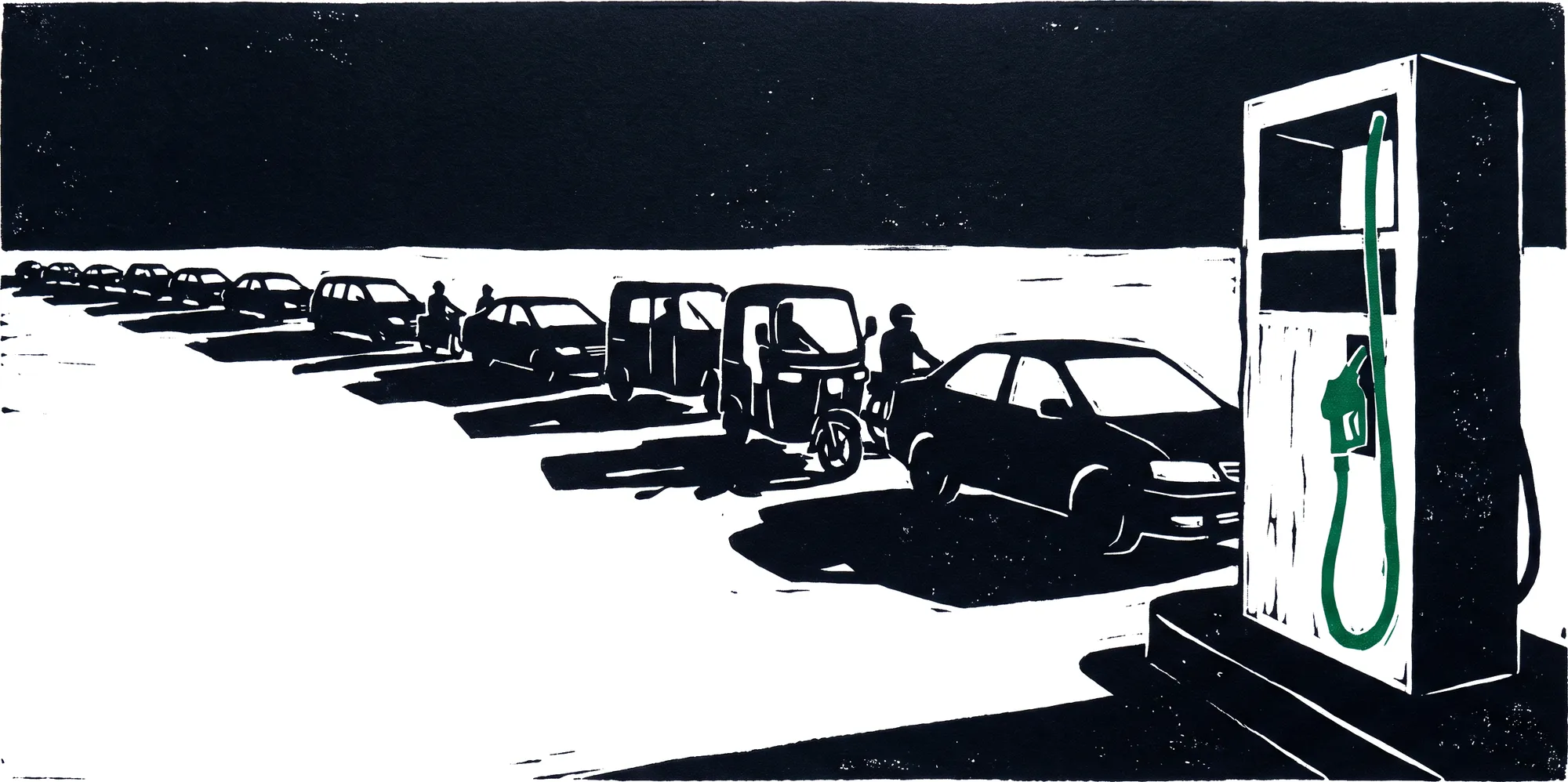
When President Tinubu said "subsidy is gone" on 29 May 2023, the petrol price was left to the market. By October 2023 the national average was ₦631 a litre, three times the December 2022 figure. Transport, food and rent followed. Inflation reached 34.8% in December 2024, then the statistics office changed how it measures prices. On the new measure, food inflation fell to 9% in January 2026 and climbed back to almost 20% by August.
Between 21 August and 12 September 2026, Dangote Refinery raised its gantry price four times, from ₦1,165 to ₦1,350 a litre.
Pump prices followed within days. NNPC stations in Lagos went to ₦1,375, and some stations in Abuja passed ₦1,400. ↗
Petrol pump price
The NBS national average covers every state and runs above Lagos prices. Its latest figure is for May 2026 (₦1,596), so the black line carries NNPC's Lagos price to September.
Inflation by year, 2010 to 2024
Annual change in consumer prices. December 2024 alone hit 34.8%.
Inflation by month since the 2025 rebasing
Year-on-year change on the new NBS measure. Food data is missing for some 2025 months.
NBS rebased the CPI in early 2025 (2024 average = 100, weights from 2023 household spending). In January 2026 it revised the whole 2025 series up by about 3 points. Figures before 2025 use the old base and are not strictly comparable.
Cooking and generator fuel
National average prices, NBS
| Product | May 2023 | Latest | Change |
|---|---|---|---|
| Diesel ↗ | ₦844 | ₦3,277 May 2026 | 3.9× |
| Cooking gas, 12.5kg refill ↗ | ₦9,538 | ₦22,382 April 2026 | 2.3× |
| Kerosene ↗ | ₦1,206 | ₦2,972 May 2026 | 2.5× |
Food at the market
National average prices, NBS Selected Food Prices Watch
| Item | May 2023 | Latest | Change |
|---|---|---|---|
| Beans (brown), 1kg | ₦630 | ₦1,345 May 2026 | 2.1× |
| Tomatoes, 1kg | ₦498 | ₦1,561 May 2026 | 3.1× |
| Garri (white), 1kg | ₦371 | ₦802 Mar 2026 | 2.2× |
| Local rice, 1kg | ₦555 | ₦1,945 Oct 2024 | 3.5× |
| Sliced bread, 500g | ₦596 | ₦1,550 Oct 2024 | 2.6× |
We could not find an NBS price for 1kg of rice or a loaf of bread after October 2024.
A pot of jollof rice for a family of five cost ₦4,087 in July 2016. In June 2026 it cost ₦29,578.
SBM Intelligence has priced the same family meal across Nigerian cities since 2016. It hit a record ₦30,435 in March 2026. SBM changed its ingredient basket in 2025, so readings before and after are not strictly comparable. ↗
Borrowing to pay for borrowing
Public debt was ₦12.6 trillion at the end of 2015. By March 2026 it was ₦159.35 trillion.
Part of that jump comes from the naira's fall, which makes foreign loans look bigger when they are counted in naira. Measured in dollars, the debt still grew from $65 billion to $115 billion. The harder problem is what it costs to carry. For the first four months of 2022, the federal government spent more servicing its debts than it collected in revenue.
Total public debt in naira
Federal government, states and FCT, at year end.
Total public debt in dollars
The same debt, converted at the DMO's exchange rate for each date.
From January to April 2022, the government spent ₦1.94 trillion on debt service and earned ₦1.63 trillion.
The World Bank put debt service at 96.3% of revenue for all of 2022. The ratio has since fallen, to 67.22% for the first nine months of 2025, but the bill keeps growing: the 2026 budget sets aside ₦15.8 trillion for debt service, about 23% of the total. ↗
Debt as a share of the economy
General government debt, % of GDP. Uses the rebased GDP series, which made the economy about a third bigger in naira.
Federal budget as signed
Nominal naira, not adjusted for inflation or the exchange rate.
In 2023 lawmakers agreed to turn ₦23.72 trillion of central bank overdrafts, known as Ways and Means, into a 40-year bond. Another ₦7.3 trillion followed that December. The debt was restructured, not paid off. ↗
Budgets also go unspent. By the third quarter of 2025, only 17.7% of that year's capital budget had been released. In December 2025 the National Assembly repealed and re-passed both the 2024 and 2025 budgets, cutting 2025 from ₦54.99 trillion to ₦48.32 trillion. ↗
Most Nigerians are now poor
The World Bank estimates that 63% of Nigerians lived below the national poverty line in 2025. In 2019 the figure was 40%.
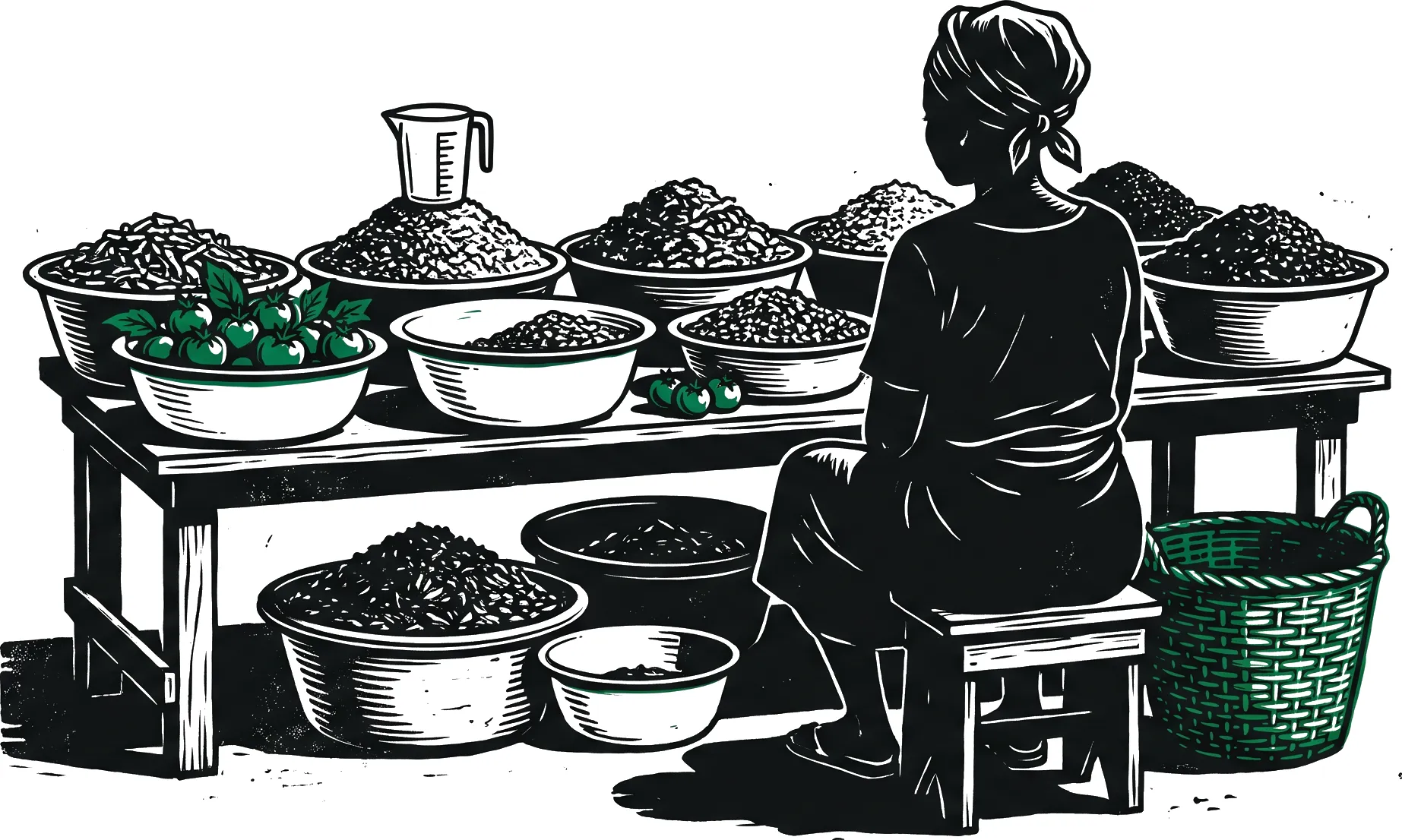
The World Bank says about 7 million more Nigerians fell below the poverty line in 2025 alone. Poor households spend up to 70% of what they earn on food, so the price of garri and beans decides how they live. In the 2026 lean season, 36 million people were projected to face a food crisis or worse.
133 million
Nigerians who were poor across health, schooling and living standards in 2022 (63%) ↗
82.5%
Adults who went without enough food at least once in the past year (2024) ↗
19.9%
Nigerians undernourished in 2023, up from 10.4% in 2010 ↗
Share of Nigerians below the national poverty line
Solid bars are household survey years (2019 and 2023). Lighter bars are World Bank projections, revised in April 2026.
People facing a food crisis in the lean season
Cadre Harmonisé Phase 3 or worse, June to August projections. Coverage grew from 8 states in 2016 to 28 in 2026, so part of the rise is wider counting.
The lights are still off
About 87.3 million Nigerians had no electricity in 2024, more than in any other country.
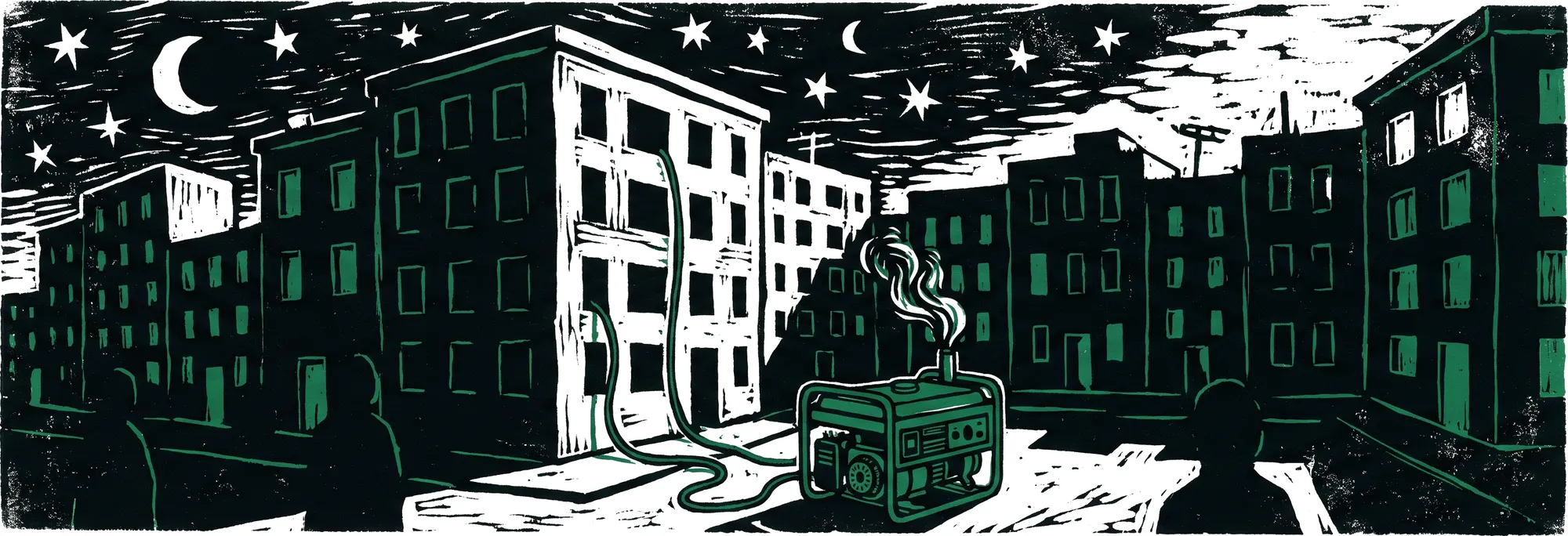
Access has crept up, from 48% of people in 2010 to 62.5% in 2024. The people who are connected get very little. The average Nigerian used 144 kilowatt-hours of electricity in 2023, less than in 2015. The average Ghanaian used almost four times as much. Homes and businesses that can afford it run generators, which is why the price of diesel and petrol reaches into everything.
Access to electricity
Share of the population with an electricity connection. Survey-based, so it moves unevenly from year to year.
Electricity used per person, 2023
Kilowatt-hours per person per year.
People without electricity are calculated by endsars.online from World Bank access rates and population figures. By the same method, the Democratic Republic of Congo had 84.7 million.
Hospitals and classrooms
Nigeria accounts for about 29% of all maternal deaths in the world.
About 75,000 Nigerian women died from pregnancy or childbirth in 2023, the most of any country. Almost one child in nine dies before turning five, a rate that has barely moved since 2015. Government puts about 4% of its spending into health, against the 15% African leaders promised in Abuja in 2001. In schools, the share of students passing WAEC with five credits including English and maths has fallen three years in a row.
54.6 years
Life expectancy at birth in 2024 ↗
855,676
Children who died before age five in 2024 (115.6 per 1,000 births) ↗
18.3 million
Children out of school, the highest number in the world ↗
Maternal mortality
Deaths per 100,000 live births. Modelled UN estimates, 2010 to 2023.
Health's share of government spending
Domestic government health spending as a share of all government spending.
In the first half of 2025, 652 children died of malnutrition in Médecins Sans Frontières facilities in Katsina State alone.
MSF treated more than 300,000 malnourished children across seven northern states in 2024. It blamed part of the crisis on aid cuts, particularly from the United States and the United Kingdom. ↗
WAEC pass rate
Share of school candidates with five credits including English and maths. The first 2025 release showed 38.32%; WAEC withdrew it after a marking error.
University strikes
ASUU has spent 812 days on strike since 2013, more than two academic years.
| 1 Jul 2013 to 17 Dec 2013 | 169 days |
| 17 Aug 2017 to 17 Sep 2017 | 31 days |
| 4 Nov 2018 to 7 Feb 2019 | 95 days |
| 23 Mar 2020 to 23 Dec 2020 | 275 days |
| 14 Feb 2022 to 14 Oct 2022 | 242 days |
Earlier strikes in 2010 to 2012 are left out because their end dates are unclear. ↗
The ones who left
In 2023 the UK issued 281,658 visas to Nigerians, the most in any year since at least 2010.
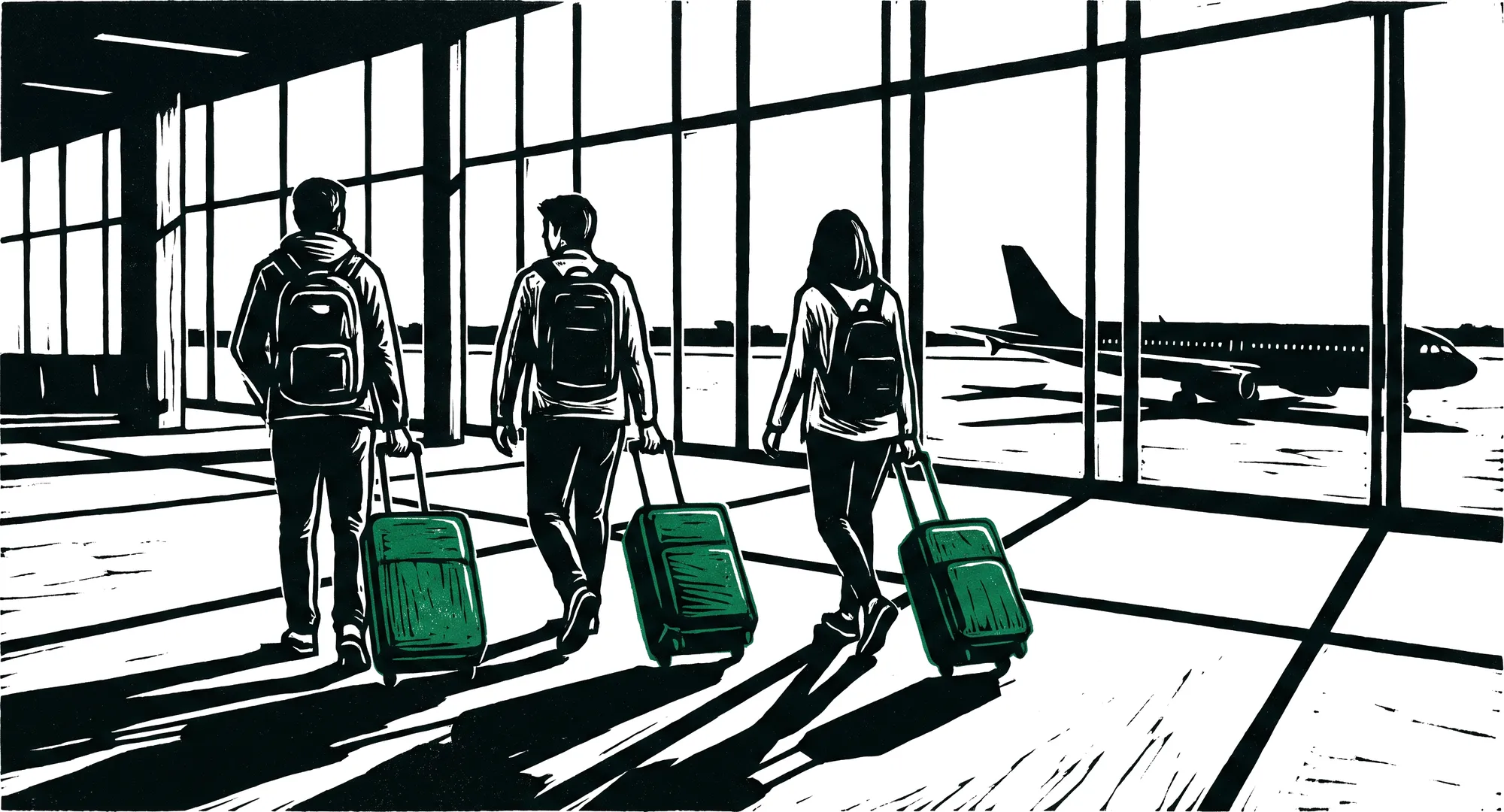
Japa is Yoruba for running away. It has become the word for a generation leaving. In a 2024 Afrobarometer survey, 56.3% of adults said they had thought about emigrating, and a third had thought about it a lot. Doctors and nurses are among those going. The money still comes home: Nigerians abroad sent $22.79 billion in 2025.
16,000+
Doctors estimated to have left Nigeria in five to seven years (Health Minister, April 2025) ↗
55,000
Doctors still practising in Nigeria, out of more than 130,000 ever registered (NMA, June 2026) ↗
1,614
Nigerian nurses who joined the UK register in 2025-26, the second-largest source of new nurses from abroad ↗
UK visas issued to Nigerians
Study and health-care routes, main applicants plus family. The drop in 2024 follows UK rules that stopped most students and care workers bringing dependants.
Nigerians becoming permanent residents of Canada
New permanent resident admissions by citizenship, rounded to the nearest 5.
Blood on the ground
2025 was the deadliest year of political violence in Nigeria since the monitor ACLED began counting in 1997.
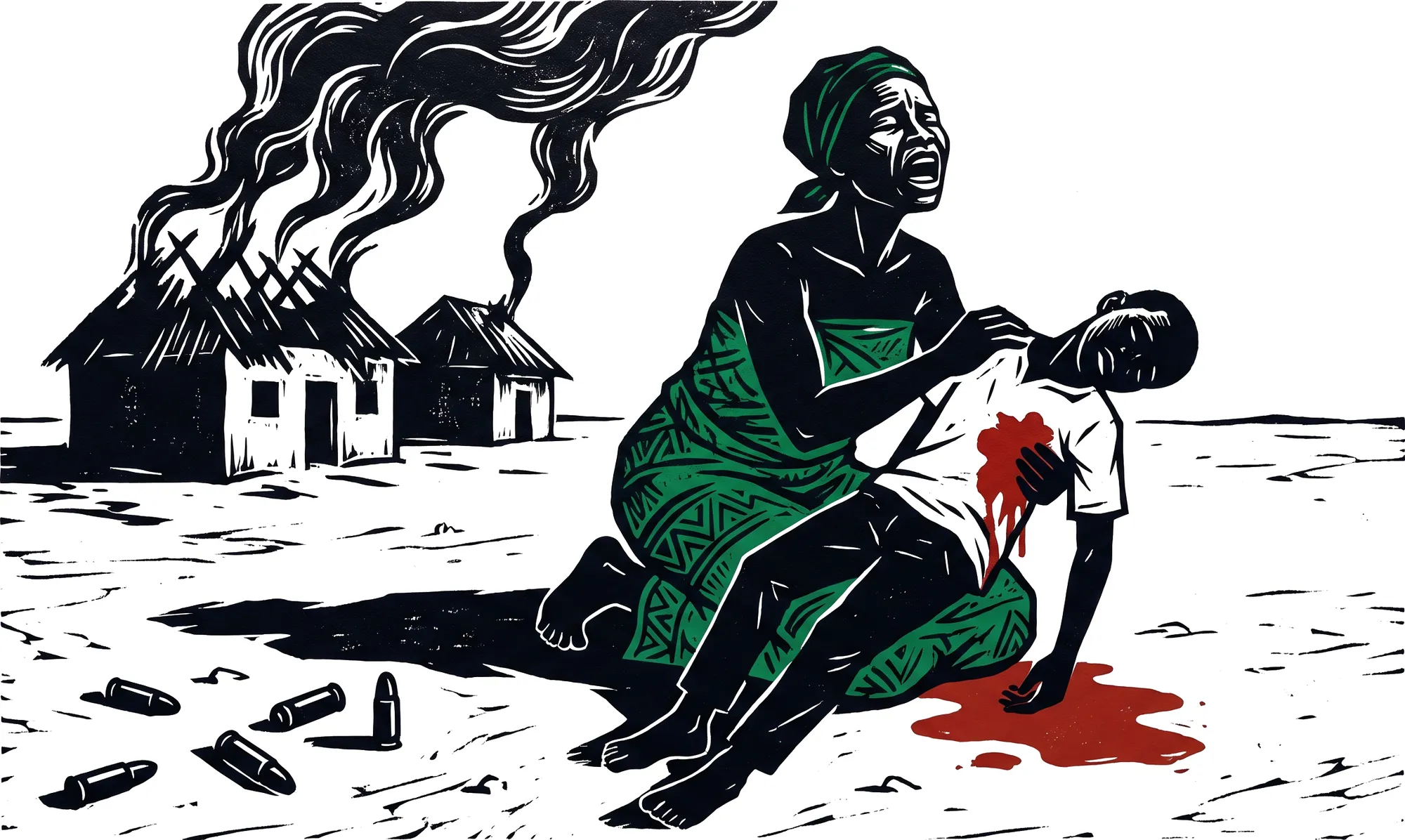
ACLED counted 15,878 people killed in political violence in 2025. The previous high was 11,296 in 2014, the year Boko Haram took the Chibok girls. By 11 September 2026 it had counted 11,743 more. Most of the killing is in the north: Borno, Zamfara and Katsina together accounted for more than half of the deaths in 2025. Kidnapping for ransom has become a business, and three and a half million people have been driven from their homes.
15,878
Killed in political violence in 2025 ↗
6,109
Civilians killed in attacks aimed at them in 2025 ↗
7,825
People kidnapped, Jul 2025 to Jun 2026 ↗
3.5 million
Displaced inside Nigeria at the end of 2025 ↗
Deaths in political violence, by year
Battles, attacks on civilians, bombings and mob violence. *2026 runs to 11 September (11,743 so far).
Deaths per month, by president
ACLED deaths divided by months in office, so terms of different lengths can be compared.
Jonathan's figure starts in January 2010 and includes the last months of the Yar'Adua presidency. Handovers fall on 29 May, so each May is counted in the outgoing term.
Deadliest states in 2025
Deaths in political violence. These ten states account for 86% of the national total.
Between July 2025 and June 2026, SBM Intelligence counted 7,825 people kidnapped in 1,713 incidents, up from 4,722 a year earlier. ↗
Families paid at least ₦7.78 billion in ransom. Those are only the cases the media reported. When the NBS asked households directly, it estimated 2.2 million kidnappings and ₦2.23 trillion in ransom between May 2023 and April 2024. ↗
People displaced by conflict inside Nigeria
Number of internally displaced people at the end of each year.
Timeline, 2026 back to 2010
2026 11,743 killed so far
- About 162 killed in Woro and Nuku, Kwara State (February)
- Gunmen kill more than 28 in Angwan Rukuba, Jos (March, per the state governor)
2025 15,878 killed
- Yelwata, Benue: more than 100 killed in one night (June, Amnesty)
- 25 schoolgirls abducted in Maga, Kebbi (November); freed a week later
- 230 pupils and staff abducted from St Mary's, Papiri, Niger State (November); all freed by 21 December
- US names Nigeria a "Country of Particular Concern" (October) and carries out strikes in Sokoto State (25 December)
2024 10,243 killed
- At least 24 killed as police break up #EndBadGovernance protests (August, Amnesty)
2023 8,718 killed
- Military drone strike kills at least 85 civilians at Tudun Biri, Kaduna (December)
2022 10,929 killed
- Gunmen attack a church in Owo, Ondo State (June)
- Kaduna-Abuja train attacked and passengers kidnapped (March)
- Kuje prison break (July)
2021 10,943 killed
- Mass school abductions in Kaduna, Niger and Zamfara
- Boko Haram leader Shekau dies (May)
2020 8,420 killed
- #EndSARS protests; soldiers open fire at the Lekki toll gate (20 October)
- Jailbreaks during the unrest that followed
2019 5,925 killed
- Banditry spreads across Zamfara, Katsina and Kaduna
- ISWAP gains ground in the north-east
2018 6,087 killed
- Mass killings in Plateau State
- Banditry grows in Zamfara
2017 4,912 killed
- Farmer-herder clashes across the Middle Belt
2016 4,826 killed
- Niger Delta Avengers attack oil pipelines
- Farmer-herder violence spreads in the Middle Belt
2015 11,075 killed
- Boko Haram attack on Baga (January)
- Military offensive retakes towns in the north-east
2014 11,296 killed
- 276 schoolgirls abducted from Chibok (April)
- Boko Haram declares a "caliphate" in Gwoza
2013 4,653 killed
- State of emergency declared in Borno, Yobe and Adamawa
2012 2,951 killed
- Boko Haram bombs churches across the north
- Coordinated attacks in Kano kill about 185 people (January)
2011 2,414 killed
- Violence after the April presidential election
- Boko Haram bombs the UN building in Abuja (August)
2010 1,901 killed
- Religious and ethnic violence in and around Jos, Plateau State
ACLED records events reported in the media and by local partners, so its totals are a floor, not a full count. It revises past data as new reports come in. Survey estimates such as the NBS figures above measure something different and run far higher, so we never put the two on the same chart.
No region is spared
The north carries most of the killing, but every geopolitical zone has its own conflict. Hover over a state to see its zone. Death tolls are from ACLED.
By region
North West
Banditry and mass kidnapping
Zamfara 2,751 and Katsina 1,862 killed in 2025
North East
Boko Haram and ISWAP
Borno 3,962 killed in 2025, the most of any state
North Central
Attacks on farming villages
Benue 879, Plateau 663 and Kwara 489 killed in 2025
South East
Separatist violence
Attacks on police stations and electoral offices
South South
Oil theft and pipeline attacks
The legacy of Niger Delta militancy
South West
Less conflict, more kidnapping
ACLED reports abductions spreading south, including Oyo State in 2026
Many cases, few verdicts
Nigeria scored 26 out of 100 on Transparency International's 2025 corruption index, ranking 142th of 182. The score has barely moved since 2012.
Every administration since 2010 has promised to fight corruption, and each has produced headline cases. Very few of the biggest ones have ended in a conviction that stuck. Trials run for a decade, charges are dropped, convictions are overturned on appeal, and in 2022 two jailed former governors were pardoned. The table below follows cases from all three presidencies.
26 / 100
Corruption Perceptions Index 2025, below the sub-Saharan average of 33 ↗
154th
Worst rank, reached in 2021 (of 180 countries) ↗
-1.11
World Bank control of corruption score, 2024 (scale of -2.5 to 2.5). Below zero every year since 2010. ↗
Corruption Perceptions Index
Score out of 100; higher means less corrupt. Starts in 2012, when TI moved to its current scale.
Where the big cases stand
Amounts are alleged unless a court has ruled. Status as of September 2026.
| Case | Term | Amount | Status |
|---|---|---|---|
| 2011 fuel subsidy payments | Jonathan | ₦1.7tn paid illegally, per a House committee | A few convictions, at least one overturned on appeal. The committee chair, Farouk Lawan, was jailed for taking a $500,000 bribe; the Supreme Court upheld it in 2024. |
| Arms procurement at the NSA's office (Dasuki) | Jonathan | $2.1bn alleged; current charge ₦33.2bn | On trial since 2015. Dasuki was held for four years despite bail orders. No verdict. |
| Diezani Alison-Madueke | Jonathan | Bribery charges in the UK | Acquitted on all counts by a London jury in June 2026. The US returned $52.88m through civil forfeiture in 2025. |
| NDDC forensic audit | Buhari | About ₦6tn reviewed, 13,777 projects flagged | Report delivered in 2021 and never published. A court has ordered the government to release it. |
| Godwin Emefiele (CBN governor) | Buhari | $4.5bn and ₦2.8bn alleged in Lagos | Trials in Abuja and Lagos still running. No verdict. |
| Yahaya Bello (Kogi governor) | Buhari | ₦80.2bn and ₦110.4bn alleged | Two trials running. No verdict. |
| Humanitarian Affairs Ministry | Tinubu | ₦585m transfer that led to the minister's suspension | Minister Betta Edu suspended in January 2024. Not charged. Named to the APC 2027 campaign council in August 2026. |
Sources: BusinessDay (January 2026), Premium Times, CNBC Africa, Channels TV, Vanguard, Sahara Reporters. Full links in the sources section below.
EFCC convictions
All offences, by year. No reliable figure was found for 2017.
The anti-graft agency's conviction count has climbed from about 100 a year to more than 4,000. Most of those convictions are for online fraud. The politically connected cases in the table above are still in court years later. ↗
The next vote is on 16 January 2027
Turnout in presidential elections has fallen at every election since 2011, from 54% to 27%.
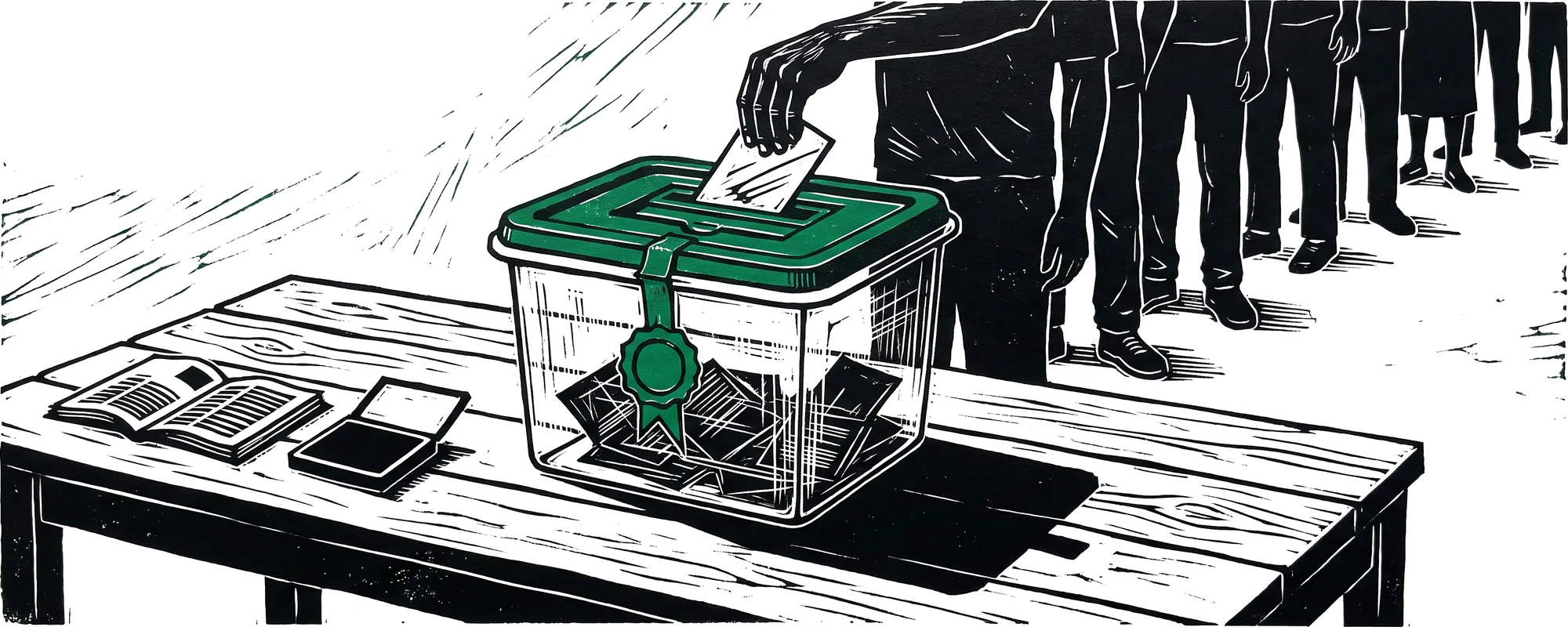
In 2023 Bola Tinubu won with 8.79 million votes. That was 36.61% of the votes cast and about 9% of the 93.5 million people registered to vote. Turnout was the lowest since military rule ended in 1999. A year later, 93% of Nigerians told Afrobarometer the country was going in the wrong direction and 14% approved of the president's performance.
Turnout in presidential elections
Votes cast as a share of registered voters.
What Nigerians say
Share of adults in each Afrobarometer survey.
INEC's final list has 18 presidential candidates. ↗ Presidential and National Assembly elections are on 16 January 2027, and governorship elections follow on 6 February. ↗
This page takes no side in that election. It exists so that anyone deciding how to vote can see the record first. We update it as new data comes out. If you find a number that is wrong, please tell us.
Sources and method
Every number on this page links back to where it came from.
How we worked
We use official statistics (CBN, NBS, DMO, the Budget Office), international bodies (World Bank, IMF, UN agencies) and independent monitors (ACLED, SBM Intelligence, Transparency International, Afrobarometer). Where we used a news report, it is because the report quotes an official release we could not open directly.
Some figures are our own arithmetic on public data, such as yearly ACLED totals, CBN exchange rate averages, UK visa totals and Afrobarometer percentages. Those are labelled "calculated by endsars.online" and the underlying data is linked. We do not join series that measure different things. When a statistics office changed its method, as the NBS did for inflation in 2025, we say so on the chart.
Some things we could not source well enough to publish: a police-to-population ratio, the number of officers convicted over #EndSARS, yearly counts of national grid collapses, and deaths broken down by armed group. They are left out on purpose.
The illustrations on this site are AI-generated. They are not photographs of real events.
#EndSARS, protest and elections
- BusinessDay, key points of the Lagos #EndSARS panel report ↗ Retrieved 2026-09-18
- TheCable, Lagos panel lists 48 victims of Lekki shooting ↗ Retrieved 2026-09-18
- Al Jazeera, #EndSARS victims await justice five years on ↗ Retrieved 2026-09-18
- Amnesty International Nigeria, #EndSARS killings ↗ Retrieved 2026-09-18
- Amnesty International Nigeria, #EndBadGovernance protests ↗ Retrieved 2026-09-18
- BBC, treason charges against children dropped ↗ Retrieved 2026-09-18
- Premium Times, ECOWAS court declares Twitter ban illegal ↗ Retrieved 2026-09-18
- RSF World Press Freedom Index ↗ Retrieved 2026-09-18
- Freedom House, Freedom in the World: Nigeria ↗ Retrieved 2026-09-18
- CIVICUS Monitor, Nigeria ↗ Retrieved 2026-09-18
- BusinessDay, INEC declares 2023 result ↗ Retrieved 2026-09-18
- Wikipedia, Nigerian presidential elections 2011-2023 (INEC and International IDEA figures) ↗ Retrieved 2026-09-18
- Premium Times, INEC 2027 election timetable ↗ Retrieved 2026-09-18
- Vanguard, INEC final presidential candidates list ↗ Retrieved 2026-09-18
- Afrobarometer, Nigeria survey data (Rounds 5-10) ↗ Retrieved 2026-09-18Weighted percentages calculated by endsars.online from the public data files
Exchange rate
- Central Bank of Nigeria (CBN), daily exchange rates ↗ Retrieved 2026-09-18Daily USD central rate from the CBN API (https://www.cbn.gov.ng/api/GetAllExchangeRates). Annual and quarterly figures are averages of daily rates, computed by endsars.online.
- Vanguard, daily dollar-to-naira columns ↗ Retrieved 2026-09-18Parallel-market (BDC) quotes. Single-day snapshots, indicative only.
Fuel prices
- NBS Premium Motor Spirit (Petrol) Price Watch ↗ Retrieved 2026-09-18National average retail price across all states
- NBS PMS Price Watch, October 2024 ↗ Retrieved 2026-09-18
- Premium Times, NBS May 2026 petrol price ↗ Retrieved 2026-09-18
- Daily Trust, NBS March 2026 petrol price ↗ Retrieved 2026-09-18
- Vanguard, Dangote raises gantry price to ₦1,350 (12 Sep 2026) ↗ Retrieved 2026-09-18
- Vanguard, pump prices after the September 2026 increase ↗ Retrieved 2026-09-18
- Wikipedia, Occupy Nigeria (quoting BBC) ↗ Retrieved 2026-09-18₦65 to ₦141 on 1 January 2012
Inflation
- World Bank, inflation, consumer prices (annual %) ↗ Retrieved 2026-09-18Annual series 2010-2024
- National Bureau of Statistics (NBS), CPI and inflation reports ↗ Retrieved 2026-09-18
- Nairametrics, December 2025 CPI and methodology review ↗ Retrieved 2026-09-18
- Tekedia, original vs revised 2025 inflation series ↗ Retrieved 2026-09-18
- Nairametrics, August 2026 CPI ↗ Retrieved 2026-09-18
Wages and food prices
- Channels TV, Buhari signs ₦30,000 minimum wage ↗ Retrieved 2026-09-18
- Channels TV, Tinubu signs ₦70,000 minimum wage ↗ Retrieved 2026-09-18
- CBN daily exchange rates ↗ Retrieved 2026-09-18USD conversions use the CBN rate on the signing date
- NBS Selected Food Prices Watch, May 2023 ↗ Retrieved 2026-09-18
- Nairametrics, NBS food prices March 2026 ↗ Retrieved 2026-09-18
- Newsdiary, NBS food prices May 2026 ↗ Retrieved 2026-09-18
- SBM Intelligence, Jollof Index Q2 2026 ↗ Retrieved 2026-09-18
- SBM Intelligence, Jollof Index (June 2025) ↗ Retrieved 2026-09-18
Debt
- World Bank ↗ Retrieved 2026-04-04External debt stocks only (DOD, current US$)
- Debt Management Office Nigeria ↗ Retrieved 2026-04-04Total public debt (external + domestic)
- IMF ↗Debt-to-GDP ratio
- Nairametrics ↗Q4 2024 breakdown
- Nairametrics ↗Q3 2025 data
- NBS, Nigerian Domestic and Foreign Debt Q4 2019 ↗ Retrieved 2026-09-18
- DMO, total public debt as at 31 December 2015 ↗ Retrieved 2026-09-18
- Nairametrics, public debt December 2025 ↗ Retrieved 2026-09-18
- Nairametrics, public debt Q1 2026 ↗ Retrieved 2026-09-18
- IMF World Economic Outlook, general government gross debt (% of GDP) ↗ Retrieved 2026-09-18
- Nairametrics, debt service vs revenue Jan-Apr 2022 ↗ Retrieved 2026-09-18
- Nairametrics, FG spends 67% of revenue on debt service (2025 Q3) ↗ Retrieved 2026-09-18
- Nairametrics, Ways and Means securitisation approved ↗ Retrieved 2026-09-18
Federal budget
- Budget Office of the Federation ↗ Retrieved 2026-04-04Official source for Appropriation Acts. Publishes approved budgets, implementation reports, and citizen guides.
- BudgIT ↗Civil society budget analysis. Publishes annual budget breakdowns, infographics, and state-level data.
- Open Treasury ↗Government spending transparency portal. Shows daily treasury disbursements and MDA allocations.
GDP and remittances
- IMF World Economic Outlook, GDP current prices (USD) ↗ Retrieved 2026-09-18Consistent series after the 2025 GDP rebasing
- IMF World Economic Outlook, GDP per capita (USD) ↗ Retrieved 2026-09-18
- World Bank, personal remittances received ↗ Retrieved 2026-09-18
- Nairametrics, rebased GDP report ↗ Retrieved 2026-09-18
Poverty and hunger
- World Bank ↗ Retrieved 2026-04-04
- World Bank Poverty & Equity Brief (Oct 2025) ↗ Retrieved 2026-04-04
- NBS Multidimensional Poverty Index (2022) ↗ Retrieved 2026-04-04
- UNDP MPI Country Profile ↗2023 global MPI
- World Bank, Nigeria Development Update (April 2026) ↗ Retrieved 2026-09-18
- World Bank, Nigeria overview ↗ Retrieved 2026-09-18
- Cadre Harmonisé dataset (HDX) ↗ Retrieved 2026-09-18People in Phase 3 or worse, June-August lean season, March-cycle projection. Summed by endsars.online.
- WFP, Northern Nigeria violence and hunger (Dec 2025) ↗ Retrieved 2026-09-18
- World Bank, prevalence of undernourishment (FAO) ↗ Retrieved 2026-09-18
Electricity
- World Bank, access to electricity (% of population) ↗ Retrieved 2026-09-18
- World Bank, electric power consumption per person (IEA data) ↗ Retrieved 2026-09-18
- World Bank, population total ↗ Retrieved 2026-09-18People without electricity = (100 - access %) x population, calculated by endsars.online
Health and education
- World Bank, maternal mortality ratio (UN MMEIG) ↗ Retrieved 2026-09-18
- World Bank, under-5 mortality (UN IGME) ↗ Retrieved 2026-09-18
- World Bank, life expectancy at birth ↗ Retrieved 2026-09-18
- World Bank, government health spending (% of government spending, WHO) ↗ Retrieved 2026-09-18
- Sahara Reporters, WHO maternal mortality report ↗ Retrieved 2026-09-18
- Vanguard, WAEC scorecard 2015-2017 ↗ Retrieved 2026-09-18
- Guardian, WAEC 2025 corrected results ↗ Retrieved 2026-09-18
- Leadership, WAEC 2026 results ↗ Retrieved 2026-09-18
- NUC, ASUU suspends eight-month strike ↗ Retrieved 2026-09-18
- FIJ, ASUU strikes under Buhari ↗ Retrieved 2026-09-18
- P.M. News, UNICEF: 18.3 million out-of-school children ↗ Retrieved 2026-09-18
- MSF, malnutrition in northern Nigeria (July 2025) ↗ Retrieved 2026-09-18
Emigration
- UK Home Office, entry clearance visa outcomes (year ending June 2026) ↗ Retrieved 2026-09-18Visas issued to Nigerian nationals, main applicants plus dependants. Summed by calendar year by endsars.online.
- IRCC, permanent residents by citizenship ↗ Retrieved 2026-09-18
- NMC register report 2025-26 ↗ Retrieved 2026-09-18
- Afrobarometer Round 10, Nigeria (2024) ↗ Retrieved 2026-09-18Weighted percentages calculated by endsars.online from the public data file
- Advocate, health minister: 16,000 doctors left ↗ Retrieved 2026-09-18
- Vanguard, NMA: 55,000 doctors left for 220m Nigerians ↗ Retrieved 2026-09-18
Violence and security
- ACLED via HDX, Nigeria political violence events and fatalities ↗ Retrieved 2026-09-18Data as of 17 September 2026. Annual totals summed from monthly rows by endsars.online. Covers battles, violence against civilians, explosions/remote violence and mob violence.
- ACLED Conflict Index ↗ Retrieved 2026-09-18
- SBM Intelligence, The Economics of Nigeria's Kidnap Industry (2026) ↗ Retrieved 2026-09-18
- BusinessDay, SBM kidnap report 2025 ↗ Retrieved 2026-09-18
- Nairametrics, NBS Crime Experience and Security Perception Survey ↗ Retrieved 2026-09-18
- IDMC via HDX, internally displaced people ↗ Retrieved 2026-09-18
- Amnesty International, Chibok ten years on ↗ Retrieved 2026-09-18
- Amnesty International, Benue displacement (July 2025) ↗ Retrieved 2026-09-18
- Sahara Reporters, Papiri abductees all released ↗ Retrieved 2026-09-18
- Human Rights Watch, school kidnappings (Nov 2025) ↗ Retrieved 2026-09-18
- Human Rights Watch, Jos attack (Apr 2026) ↗ Retrieved 2026-09-18
- NBC News / AP, Kwara village attacks ↗ Retrieved 2026-09-18
- Al Jazeera, US strikes in north-west Nigeria ↗ Retrieved 2026-09-18
- USCIRF, Country of Particular Concern designation ↗ Retrieved 2026-09-18
Corruption
- World Bank Worldwide Governance Indicators ↗ Retrieved 2026-09-182025 release (updated 18 March 2026, data to 2024). Every past year was restated.
- Transparency International, CPI 2025 ↗ Retrieved 2026-09-18
- Premium Times, Nigeria 142nd in CPI 2025 ↗ Retrieved 2026-09-18
- Wikipedia, list of countries by CPI ↗ Retrieved 2026-09-18Historical scores
- BusinessDay, twelve corruption cases to watch in 2026 ↗ Retrieved 2026-09-18
- CNBC Africa, Diezani acquitted in UK trial ↗ Retrieved 2026-09-18
- Premium Times, Dasuki re-arraigned ↗ Retrieved 2026-09-18
- Channels TV, Supreme Court upholds Farouk Lawan sentence ↗ Retrieved 2026-09-18
- Vanguard, NDDC forensic audit ↗ Retrieved 2026-09-18
- Premium Times, court orders NDDC audit published ↗ Retrieved 2026-09-18
- Sahara Reporters, EFCC humanitarian ministry probe ↗ Retrieved 2026-09-18
- Punch, EFCC convictions 2014-2025 ↗ Retrieved 2026-09-18
Government officials
- Wikipedia - President of Nigeria ↗ Retrieved 2026-04-04Cross-reference with official government sources for exact dates
- Wikipedia - Vice President of Nigeria ↗ Retrieved 2026-04-04Cross-reference with official government sources for exact dates
- Wikipedia - President of the Senate (Nigeria) ↗ Retrieved 2026-04-04Cross-reference with official government sources for exact dates
- Wikipedia - Speaker of the House of Representatives (Nigeria) ↗ Retrieved 2026-04-04Cross-reference with official government sources for exact dates
- Wikipedia - Minister of Finance (Nigeria) ↗ Retrieved 2026-04-04Cross-reference with official government sources for exact dates
Last updated: 18 September 2026